

Dr Harshini Bhashavathini MD psy. Consultant psychiatrist. Hyderabad.
A Day That Demands Attention :
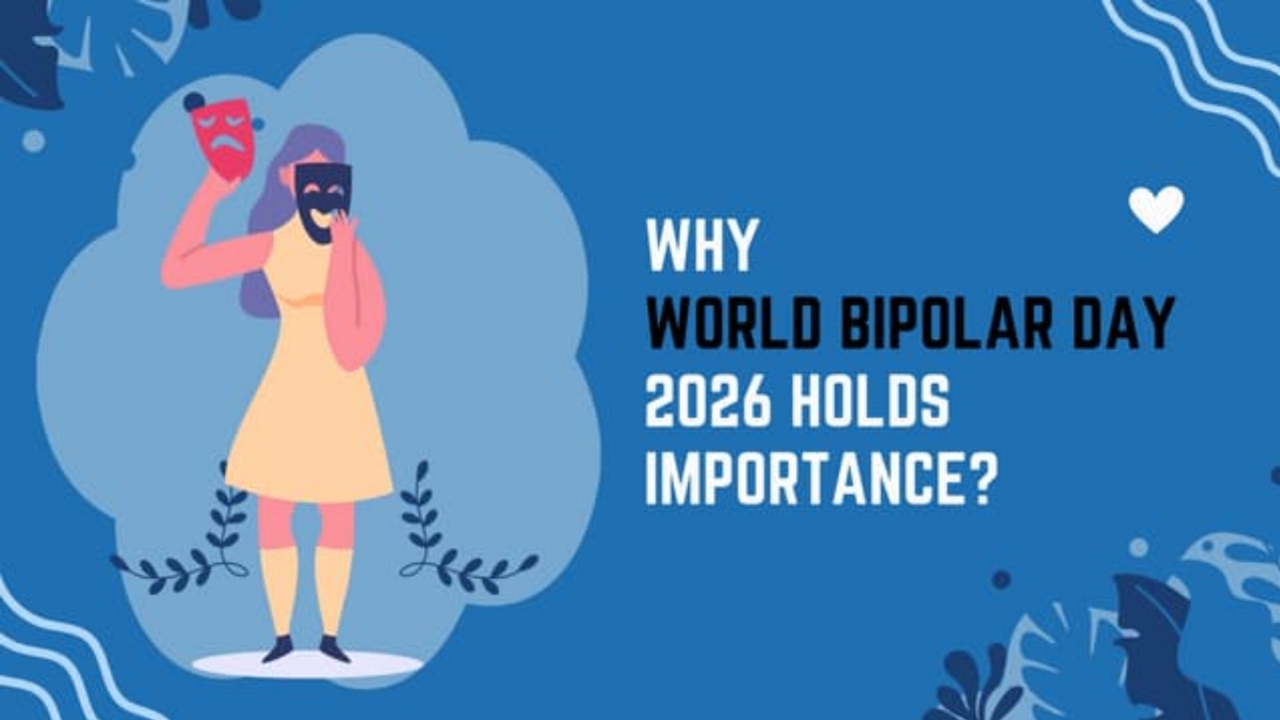
Every year on March 30, the global community observes World Bipolar Day—not as a symbolic ritual, but as a necessary intervention against ignorance, stigma, and neglect surrounding mental illness.
The day coincides with the birth anniversary of Vincent van Gogh, a genius whose life reflected both the creative heights and psychological turbulence often associated with Bipolar Disorder.
This is not just a health issue—it is a social, economic, and human rights issue.
The Science Behind Bipolar Disorder :
Let’s be clear—this is not “moodiness.” It is a neurobiological disorder involving dysregulation of neurotransmitters like dopamine, serotonin, and norepinephrine.
Clinical Spectrum:
Bipolar I Disorder: Severe manic episodes, often requiring hospitalization
Bipolar II Disorder: Hypomania + major depression
Cyclothymia: Chronic fluctuating mood disturbances
The brain is not “weak”—it is chemically imbalanced.
The Dangerous Misunderstanding
Here’s the uncomfortable truth:
Most patients suffer not because of the illness—but because of society’s response to it.
Common Misbeliefs:
“It’s just mood swings”
“They are unstable people”
“It’s a character flaw”
These beliefs delay treatment by years.
In India, especially in semi-urban and rural settings, psychiatric consultation is often the last resort, not the first step.
The Hidden Burden (India + Global Context)
Global prevalence: ~45 million people
India contributes significantly due to population size
Peak onset: 15–30 years (most productive age group)
Economic Impact:
Loss of productivity
Increased healthcare burden
Family-level financial strain
Untreated bipolar disorder silently drains both human potential and national productivity.
The Real Risks If Ignored :!
If untreated, bipolar disorder can lead to:
Substance abuse
Relationship breakdowns
Legal and financial problems
Suicide risk (VERY HIGH during depressive phases)
This is where many families fail—they react only after damage is done.
Treatment: What Actually Works :
Let’s cut through confusion—treatment is effective, but only if consistent.
Evidence-Based Management:
Mood stabilizers (Lithium remains gold standard)
Anticonvulsants (Valproate, Lamotrigine)
Atypical antipsychotics
Psychotherapy (CBT, Interpersonal therapy)
Medication is not optional.
Stopping drugs midway is the biggest mistake patients make.
Family: The Deciding Factor
No treatment works in isolation.
What families must do:
Accept diagnosis (no denial)
Monitor early warning signs
Ensure medication adherence
Avoid emotional overreaction.
A supportive family reduces relapse rates dramatically.
Lifestyle Is Not Secondary—It’s Core Treatment
You can’t stabilize mood if your lifestyle is chaotic.
Non-negotiables:
Fixed sleep-wake cycle
Zero substance abuse
Structured routine
Stress regulation (yoga, mindfulness)
Discipline is therapeutic.
The Stigma Problem: India’s Biggest Barrier
In Western countries, mental illness is discussed.
In India, it is hidden.
Fear of social judgment
Marriage-related stigma
Lack of awareness
Result: Late diagnosis, poor outcomes.
If we don’t normalize psychiatric care, we are actively worsening the problem.
What Needs to Change (Policy + Society)
This is where real impact lies:
- Public Awareness Campaigns
Mental health education must start at school level - Primary Care Integration
Train general physicians to detect early bipolar symptoms - Affordable Psychiatric Care
Mental health services must be accessible—not elite - Media Responsibility
Stop sensationalizing mental illness
Awareness without action is useless. - The Core Message of 2026
World Bipolar Day is not about sympathy—it is about understanding and action.
Bipolar disorder is treatable
Patients are functional with care
Society must stop labeling and start supporting.
Final Word .
Let’s be honest—mental health is still not taken seriously enough.
That has to change.
Not tomorrow. Now…
- This World Bipolar Day 2026, make one commitment:
If you see symptoms—don’t ignore, don’t judge, don’t delay. Act.
Because untreated bipolar disorder doesn’t just affect one person—it affects an entire ecosystem around them.